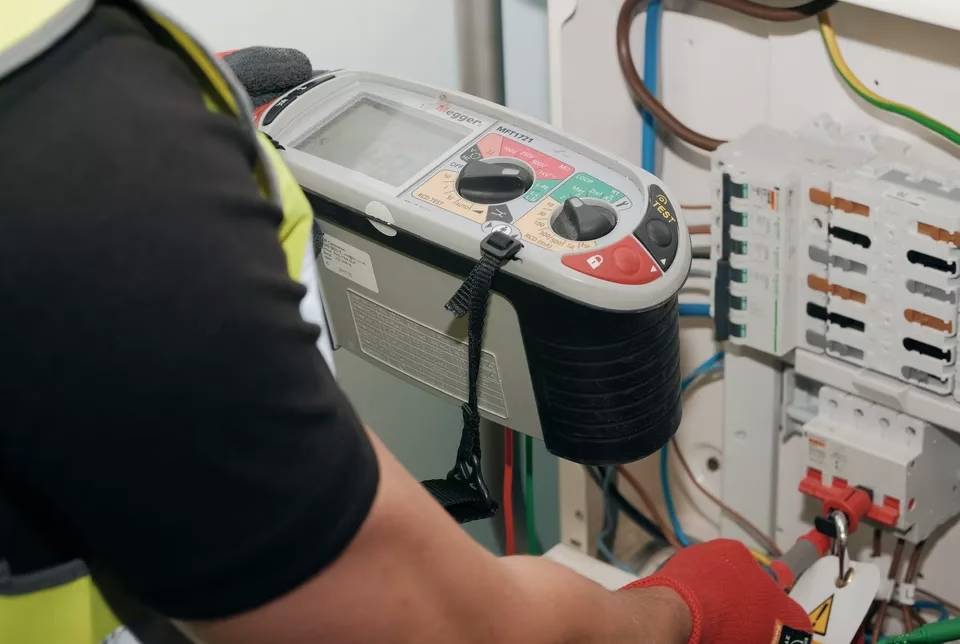
An EICR, or Electrical Installation Condition Report, is a formal inspection of a property’s fixed wiring that tells you whether it is safe to keep using. Think of it as an MOT for your electrics. Landlords in England are legally required to have a valid one every five years. Homeowners are not required to by law, but it is recommended roughly every ten years, or sooner if something seems off.
Here is what it actually involves, and how to read the result.
What an EICR checks
An EICR looks at the fixed electrical installation, the wiring, the consumer unit, the sockets, switches and light fittings, rather than your appliances. A qualified electrician inspects and tests it all, checking for things like damage, wear, overloading, dodgy DIY work, a lack of earthing or bonding, and anything that could cause a shock or a fire.
At the end you get a report. It either comes back satisfactory, meaning the installation is safe to carry on using, or unsatisfactory, meaning something needs putting right.
What the codes mean
The report flags issues using a set of codes, and this is the bit most people find confusing. Here is the plain version:
- C1, danger present. A real and immediate risk. This needs sorting straight away.
- C2, potentially dangerous. Not an immediate danger, but it could become one. Needs remedial work.
- C3, improvement recommended. Not dangerous, but worth improving. This alone does not fail the report.
- FI, further investigation. Something needs a closer look before it can be judged.
Any C1, C2 or FI makes the report unsatisfactory. A report with only C3s still passes.
Landlords: the legal bit
If you let a property in England, this is not optional. Under the Electrical Safety Standards in the Private Rented Sector Regulations, you must have the electrical installation inspected and tested at least every five years, give the tenant a copy of the report, and put right any C1, C2 or FI issues within 28 days. Miss it and you can face significant fines.
For landlords across Surrey that means staying on top of renewal dates, especially if you have several properties on different cycles. If the report flags remedial work, a good electrician will quote to fix it and reissue the certificate once done.
Homeowners, buyers and sellers
You are not legally required to have an EICR on your own home, but there are sensible moments to get one. Buying an older property is a big one, since it tells you what you are taking on before you commit. Selling can be worth it too, as a clean report reassures a buyer. And if your home has never been tested and the wiring is ageing, a report gives you a clear, prioritised list of what actually needs doing, rather than guesswork.
Frequently asked questions
How long is an EICR valid? For rented homes, up to five years, or sooner if the report says so. For owner-occupied homes, roughly ten years is the general recommendation.
What happens if my EICR fails? An unsatisfactory report means there are C1, C2 or FI items to put right. Once the remedial work is done and retested, you get a satisfactory report. For landlords, that work must be done within 28 days.
How long does an EICR take? For a typical home, usually a few hours, depending on the size of the property and the number of circuits.
How much does an EICR cost? It is priced on the size of the property and the number of circuits, so it varies. Ask for a quote up front and you will know before booking.
Need an EICR on a home or a rental in Surrey? We carry them out with a clear report you can actually act on, and we can quote for any remedial work if it is needed. [See our residential work] or get in touch.
This post is general guidance, not legal advice. Check your specific obligations if you let property.