The winter electrical checks worth doing are straightforward: test your RCD, look over outdoor sockets and lights for water damage, check that outside lighting still works before the clocks change, and pay attention to anything that trips, flickers or feels warm. None of it takes long, and it is easier to sort in October than in January.
These winter electrical checks take minutes rather than hours. Here is the short list.
Test your RCD
The RCD is the device in your consumer unit that cuts the power fast enough to prevent a serious shock. It is the single most important safety device in your home, and it is designed to be tested.
There is a test button on it. Press it, and the power to those circuits should cut out immediately. Switch it back on and you are done. If nothing happens when you press it, the device is not working and needs looking at.
Doing this every six months is the general recommendation. Most people never do it at all.
Look at anything outside
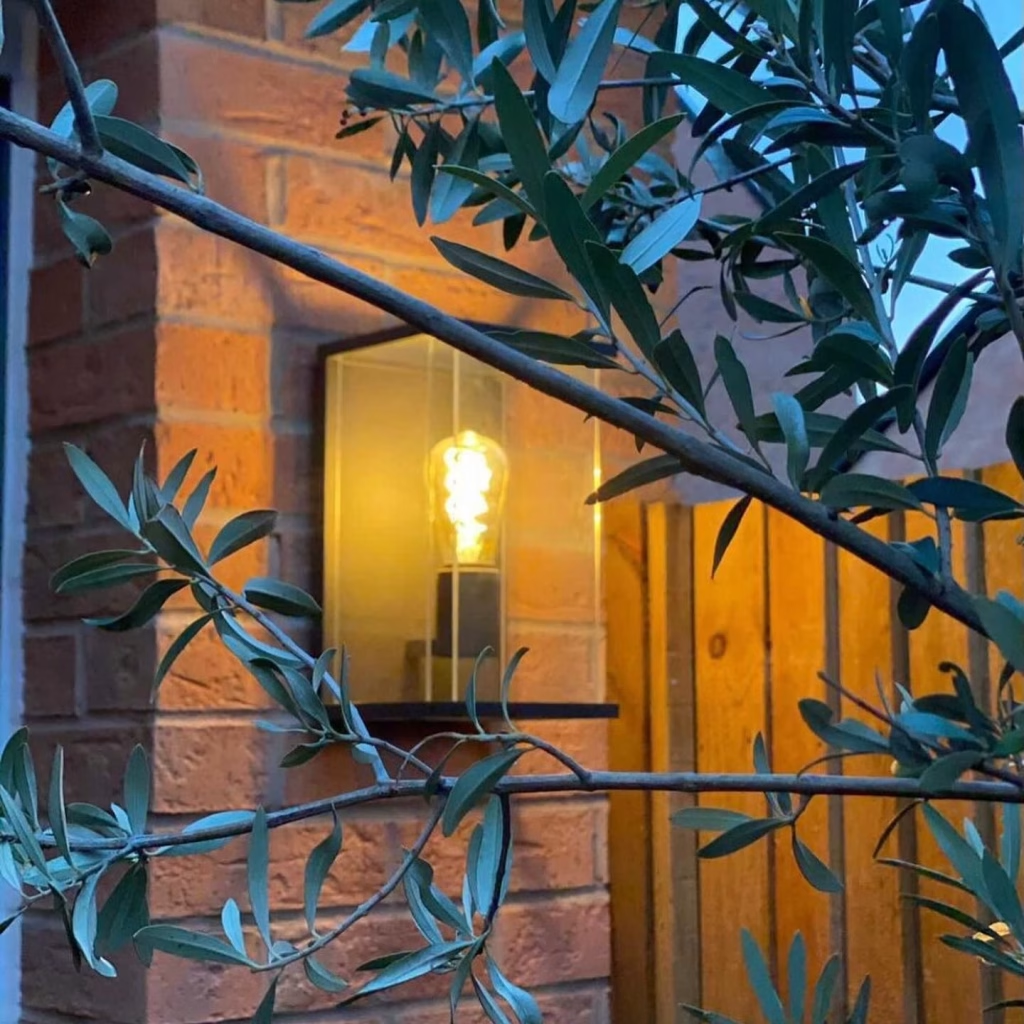
Outdoor sockets, garden lighting, the supply to a shed or garage, and any outside light fittings have spent the summer in the weather and are about to spend the winter in worse. Look for cracked casings, loose covers, condensation inside a fitting, or any socket cover that no longer closes properly.
Water and electricity is the one combination worth being fussy about. Anything that looks compromised should be dealt with before the wet weather sets in rather than after.
Check the lighting before you need it
The clocks going back is the moment people discover the outside light has not worked since spring. Walk round the house on a dark evening and check the paths, the drive, the front door and the back door.
Security lighting is worth a specific look. The dark evenings are when it earns its keep, and a sensor that has drifted out of alignment or a lamp that has failed is doing nothing for you.
The warning signs no winter electrical check should ignore
Some things are worth acting on rather than watching:
- Breakers tripping repeatedly. A one off can be a faulty appliance. A pattern is a fault, and it is telling you something.
- Sockets or switches that feel warm. They should not.
- Any burning or fishy smell near a socket, switch or the consumer unit. That one is urgent.
- Lights dimming or flickering when something else switches on.
- Scorch marks or discolouration around a socket or plug.
The winter load problem
Winter is when homes ask the most of their electrics. Heaters, tumble dryers running more often, more lighting, more hours indoors. An installation that copes fine in July can show its weaknesses in January, which is why problems tend to surface now.
Two habits worth avoiding. Daisy chaining extension leads to run heaters, which is a common cause of overloading. And running high load appliances like heaters from an extension lead at all, when they should be in a wall socket.
If you find yourself short of sockets often enough that extension leads have become permanent, that is worth solving properly. Adding sockets is a small job.
Older homes and older fuse boards
If your consumer unit still uses old rewireable fuses rather than modern breakers, or has no RCD protection at all, winter is a sensible time to address it. An upgrade brings the installation up to current safety standards and gives you protection that the old boards simply do not offer.
If you are not sure what you have, an EICR will tell you the actual condition of your wiring and give you a prioritised list of anything that needs attention, rather than guesswork.
Frequently asked questions
How often should I test my RCD?
Around every six months is the usual recommendation. It takes seconds and it is the one bit of electrical maintenance anyone can do themselves.
My breaker trips occasionally, is that a problem?
Occasionally could be a failing appliance. Unplug things one at a time to find the culprit. If it keeps happening with nothing obviously at fault, get it looked at rather than resetting it repeatedly.
Do winter electrical checks replace an EICR?
No. Winter electrical checks are a quick look over. An EICR is a full inspection and test. If your home has never been tested, or it has been more than ten years, it is a sensible time. You get a clear picture before the heaviest months of the year rather than after something has gone wrong.
Something not looking right? We cover Surrey for inspections, repairs and upgrades. Get in touch and we will take a look.